
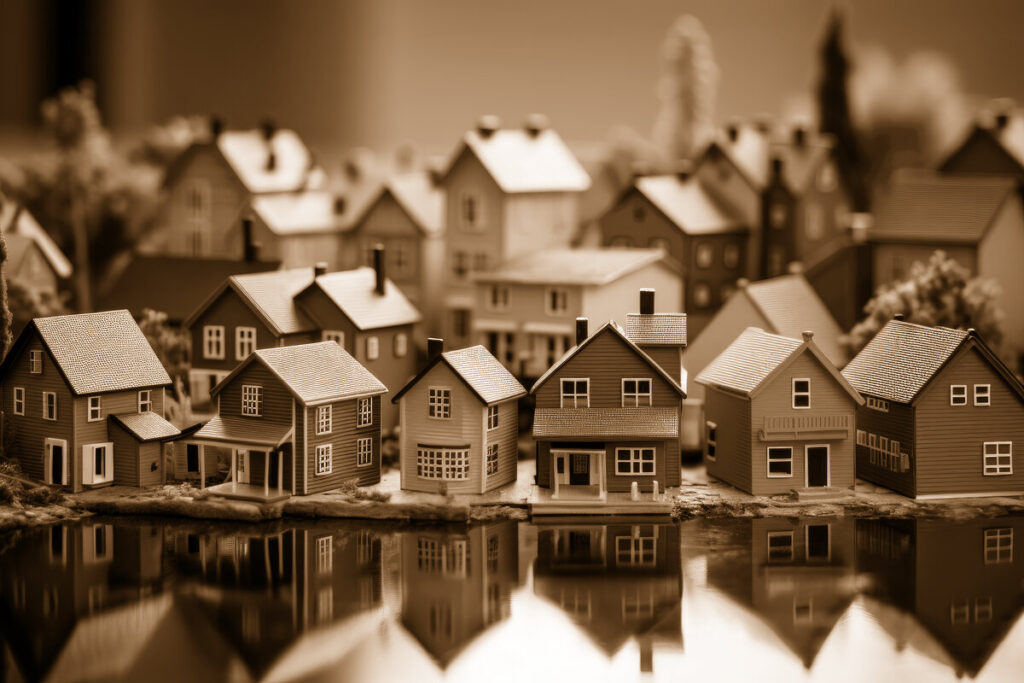
Welcome to Mitman, a charming and storied neighborhood nestled squarely in Tucson’s Midtown. Ask any longtime resident, and you’ll hear fond memories of shady streets, local parks, and community spirit that has endured for generations. But what is it about Mitman that makes it such a beloved part of Tucson’s tapestry? Let’s wander through the decades and discover how this neighborhood has grown from humble beginnings into one of the city’s most distinctive communities.
Origins of the Mitman Neighborhood
The land that Mitman sits on was once wide-open desert, punctuated only by mesquite groves and ancient trails Native peoples traveled long before Tucson was Tucson. Development began in earnest in the post-World War II era, as Tucson expanded rapidly to accommodate veterans returning home and seeking a place to raise their families.
Mitman’s boundaries are fairly well known: a welcoming swath bordered by Speedway Boulevard to the north, Broadway Boulevard to the south, Swan Road to the east, and Wilmot Road to the west. It’s an area that grew organically, with a mix of tidy mid-century ranch homes, classic adobe houses, and spacious lots that still retain an air of Old Pueblo charm.
How Mitman Got Its Name
The story of Mitman’s name is a nod to local history. The neighborhood takes its name from Mitman Street, which runs north and south through its center. But the origin goes deeper: “Mitman” honors John S. Mitman, a respected local builder and contractor active during Tucson’s mid-century boom. His developments contributed greatly to shaping east-central Tucson, and his name endures as a tribute to the family-focused vision he brought to these dusty expanses in the late 1940s and 1950s.
Key Historical Milestones
Mitman’s history mirrors Tucson’s journey from small desert town to a vibrant, diverse city. Some milestones that stand out include:
- 1940s–1950s: The initial construction of tract homes provided affordable housing to young families, helping fuel Tucson’s rapid population growth.
- 1957: The opening of Sewell Elementary School (on North Sahuara Avenue) brought much-needed educational resources and quickly became a neighborhood anchor. Sewell is still celebrated for its community events and continued legacy of excellence.
- 1960s: Park additions like the pocket-sized but beloved Linden Park (at 3382 E. Linden Street) gave neighbors green spaces to gather, picnic, and play. Its shade trees and playground equipment are still a favorite for generations of local families.
- 1970s–1980s: As city infrastructure improved, Mitman welcomed more diverse businesses along Speedway and Broadway, from classic diners to independent shops—several of which still stand today.
- Recent Decades: While demographics and housing styles have evolved, Mitman’s sense of connection remains strong, with active neighborhood associations keeping traditions alive.
Notable Landmarks and Institutions
Mitman’s streets are dotted with sites that tell its story:
- Sewell Elementary School: A beacon of learning and a community touchstone for over six decades.
- Linden Park: This modest but lively city park is more than just a play space; it’s where neighbors gather for movies, barbecues, and the occasional block party.
- Historic Homes: Many residences, especially those along streets like East 3rd Street and North Greenbrier Drive,retain mid-century design flourishes—colorful front doors, low-pitched roofs, and desert landscaping that reflect Tucson’s architectural heritage.
- Faith Communities: Local churches such as Grace Community Church have fostered a strong network of support and volunteerism, further binding the neighborhood together.
- Shops and Eateries: On the neighborhood’s edges, you’ll find a blend of old-school establishments and new favorites, many with colorful facades and hand-painted signs that evoke Tucson’s distinct art scene.
Changing Faces: Mitman Through the Decades
With the ebb and flow of generations, Mitman has continually adapted while holding fast to its roots. In the 1960s and 1970s, you would have found streets lined with station wagons and children pedaling bikes until twilight. Over time, the neighborhood opened its doors to renters, retirees, university students, and young professionals, reflecting Tucson’s own growing diversity.
Today, Mitman is a patchwork of ages and backgrounds. Longtime homeowners swap gardening tips over fences with new arrivals from across the country. The community association is active and holds events that keep everyone connected—from holiday activities in Linden Park to neighborhood yard sales that feel more like reunions.
Why Mitman Feels Like Home
Residents commonly say that Mitman’s greatest strength is its sense of place. The walkability, mature trees, and centrally located parks help foster real friendships between neighbors. Add in Tucson’s famous blue skies and sunsets—which seem a little more golden from a backyard on East Mabel Street—and you have a neighborhood that feels tucked away, but never isolated.
Preserving Heritage for the Next Generation
Efforts to protect Mitman’s unique character are ongoing. Residents support local historic preservation, advocate for well-considered development, and work to maintain the mature desert landscaping that gives the neighborhood its trademark leafy corridors. The balance between honoring the past and welcoming the future is nowhere more apparent than in Mitman’s streets, where old adobes stand beside lovingly remodeled homes, and where newcomers are always welcome at the next potluck or park gathering.
Final Reflections
Mitman isn’t just another midtown neighborhood—it’s a living story of Tucson’s growth, values, and community heart. Whether you’re admiring the classic architecture, strolling to your favorite café on Broadway, or listening to tales from neighbors who’ve watched the city blossom over decades, you’ll feel what makes Mitman special. It’s a place where history is part of the landscape and everyone has a part in its next chapter.